//
Claude Code Token Burn Is an Observability Problem

TL;DR
The latest Claude Code cache-burn debate is not just a quota complaint. It is a reminder that coding agents need cache-hit telemetry, spend ceilings, and repro-grade usage logs.
Official Sources
| Resource | Link |
|---|---|
| Claude Code Documentation | docs.anthropic.com/en/docs/claude-code |
| Claude Code Cost Management | docs.anthropic.com/en/docs/claude-code/costs |
| Prompt Caching Documentation | docs.anthropic.com/en/docs/build-with-claude/prompt-caching |
| Usage and Limits Help | support.anthropic.com/en/articles/11647753 |
| Anthropic Pricing | anthropic.com/pricing |
Claude Code token burn is back in the feed.
The current viral thread started with Alexander Zanfir's writeup, Claude Diagnosed Its Own Cache Bug. The useful part is not whether every claim in the timeline is proven from the outside. The useful part is that a coding agent was asked to audit its own usage, found suspicious cache-flush behavior, and produced a trail that other users could argue with.
That is where the AI coding market is headed. Not "trust the quota bar." Not "trust a Reddit screenshot." Agent usage needs repro-grade observability.
If you are already running Claude Code, this belongs next to the Claude Code usage limits playbook, agent FinOps, and the recent Claude Code ops release. The product keeps getting more capable. The accounting layer has to catch up.
What actually changed
Anthropic did publish an official postmortem on April 23: An update on recent Claude Code quality reports. It traced the recent quality issues to three separate changes:
- a reasoning-effort default change that was later reverted
- a stale-session thinking-cache bug that caused repeated cache misses
- a system prompt change that hurt coding quality
The cache section matters most for token burn. Anthropic says the bug caused old thinking to be cleared every turn after a stale session crossed an idle threshold. That made Claude seem forgetful and repetitive, and Anthropic wrote that it likely drove reports of usage limits draining faster than expected.
So the simplified take, "Anthropic never acknowledged anything," is wrong. Zanfir's article now includes a correction on that point.
But the opposing simplified take, "the postmortem means this is over," is also too neat. Users are still reporting confusing usage behavior, the community is still building monitors and workarounds, and Anthropic's own support docs still explain usage in broad plan-level terms rather than session-level cache health.
The lesson is not that every complaint is a confirmed bug. The lesson is that coding-agent usage needs better local evidence.
Cache misses are a product issue
Prompt caching is usually explained as infrastructure. It should be treated as product behavior.
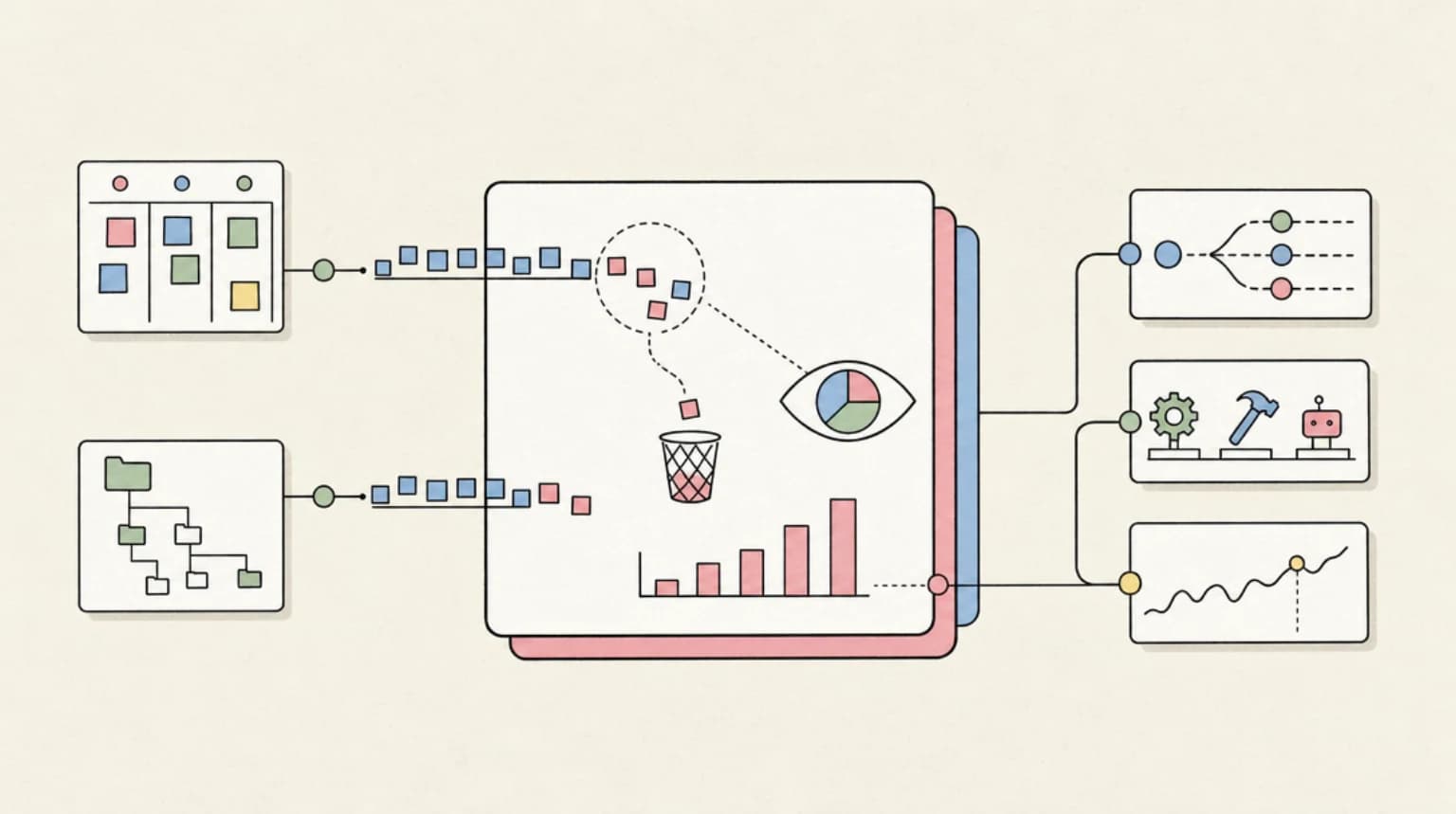
When a coding agent is working in a large repo, the difference between a healthy cache and a broken cache can be the difference between a useful Max session and a five-hour reset that arrives before the patch is done. Anthropic's usage-limit docs say usage depends on conversation length, model, features, and product surface. Their cost-management docs also point API users toward historical usage and workspace spend limits.
That is useful, but it is not enough for serious agent work.
A developer running a long Claude Code session needs to know:
- how many input tokens were cached versus uncached
- whether cache reads collapsed after resume
- whether thinking blocks are being retained or pruned
- whether MCP calls, subagents, or skills changed the prompt prefix
- which turn caused a quota cliff
- whether the next request is likely to rebuild the whole context
That is not billing trivia. It changes whether you continue the session, compact, restart, split the task, switch models, or stop and file a bug.
Get the weekly deep dive
Tutorials on Claude Code, AI agents, and dev tools - delivered free every week.
From the archive
How We Patched 100+ PRs Across Our App Empire in One Day
May 6, 2026 • 6 min read
Matt Pocock's Skills Library Is Trending for a Reason
May 6, 2026 • 5 min read
219 PRs in One Day: A Parallel Agent Fan-Out Postmortem
May 6, 2026 • 8 min read
38 Apps in One Day: Migrating an Empire from Replit to Coolify
May 6, 2026 • 8 min read
The community is building the missing gauges
This is why the most interesting GitHub signal is not another wrapper promising free usage. It is tooling like cc-cache-monitor, which tries to inspect Claude Code logs and surface cache behavior.
Whether that specific project becomes the standard is less important than the pattern. Developers want the agent equivalent of a network waterfall:
- turn number
- model
- input tokens
- output tokens
- cache reads
- cache writes
- cache misses
- tool calls
- estimated cost
- session reset events
That is the same argument behind agent receipts. Once agents run for hours, "it felt expensive" is not acceptable debugging data.
The fair critique
There is a fair critique of the community reaction: local reverse engineering can overfit.
Claude Code is a hosted product, a local CLI, an API client, a model harness, a prompt layer, and a quota system at the same time. A user can observe symptoms, logs, and billing effects, but not every server-side decision. Cache behavior can change because of TTLs, model routing, product experiments, stale sessions, prompt changes, or user configuration.
That means public bug claims should be written with care.
But that is exactly why first-party observability matters. When the official product does not expose enough session-level telemetry, the community fills the gap with scripts, screenshots, Reddit threads, and partial reconstructions. Some will be right. Some will be wrong. All of them become louder than they need to be because the product does not provide the obvious facts.
What Claude Code should expose
Claude Code does not need to expose private chain-of-thought or internal prompts to fix this class of problem. It needs operational counters.
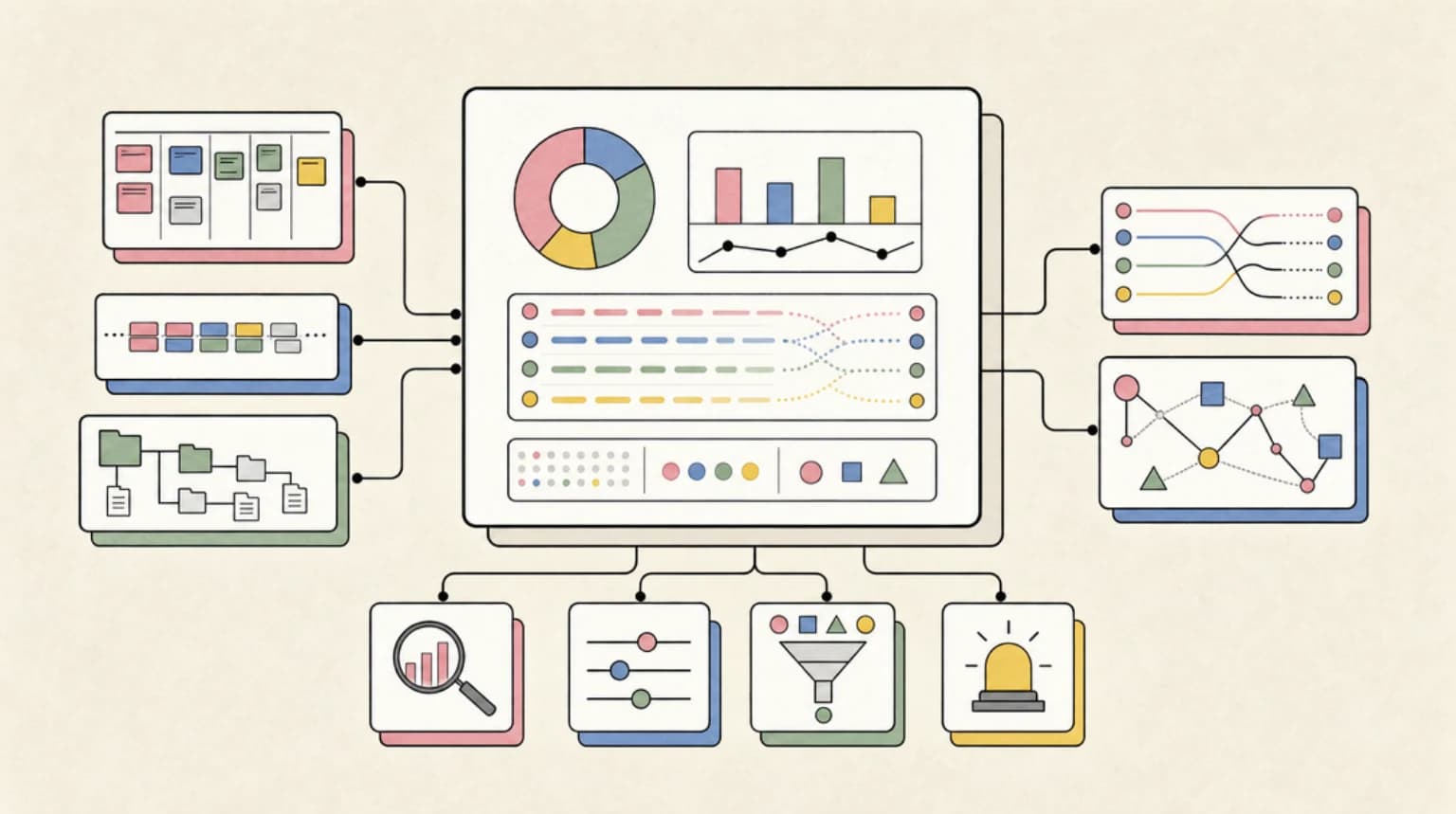
Minimum viable usage telemetry:
| Counter | Why it matters |
|---|---|
cache_read_tokens | Shows whether reused context is actually cheap |
cache_write_tokens | Shows when the session is rebuilding expensive prefixes |
uncached_input_tokens | Separates real new work from repeated context cost |
output_tokens | Identifies verbosity and overthinking failures |
thinking_budget | Shows whether effort settings are driving cost |
tool_call_count | Catches runaway searches, MCP loops, and file rereads |
session_age | Makes idle-resume behavior visible |
estimated_plan_usage | Translates technical counters into quota impact |
Expose it in /usage, export it as JSON, and let hooks read it. That would make Claude Code easier to trust without weakening the product.
For teams, the same shape should become an OpenTelemetry stream. We covered the broader managed-agent FinOps problem, but Claude Code is the cleanest consumer example: the user needs one trace per agent run, with model calls and tool calls under it, tagged with usage counters and cost estimates.
What to do this week
Do not wait for the perfect official dashboard.
- Upgrade Claude Code and read the release notes before assuming old workarounds still apply.
- Start long tasks in fresh sessions when cache behavior feels suspicious.
- Use
/compactor split tasks before the context gets huge. - Track session-level cost or quota burn outside the chat transcript.
- Add stop hooks that halt repeated failing loops before they become quota loops.
- Keep a short repro log: version, model, effort setting, session age, resume behavior, and whether MCP/subagents/skills were active.
The goal is not paranoia. The goal is to make usage complaints debuggable.
The take
The cache-burn controversy is not a reason to abandon Claude Code. It is a reason to operate it like infrastructure.
Claude Code is becoming a serious agent runtime: subagents, hooks, MCP, worktrees, skills, plugins, and long-running loops. Serious runtimes need serious counters. If prompt caching saves quota, developers should be able to see it. If a stale session starts rebuilding context, developers should be able to catch it before the five-hour reset.
The next differentiator in AI coding tools will not just be model quality. It will be whether the tool can explain what it spent.
Sources
- Anthropic: An update on recent Claude Code quality reports
- Anthropic Help Center: Understanding usage and length limits
- Anthropic Docs: Manage costs effectively
- Alexander Zanfir: Claude Diagnosed Its Own Cache Bug
- GitHub: cc-cache-monitor
Frequently Asked Questions
Why is Claude Code using so much quota?
Claude Code usage depends on model choice, effort setting, conversation length, tool use, attached context, and cache behavior. If a long session repeatedly rebuilds context instead of reading from cache, quota can drain much faster than the visible response length suggests.
Did Anthropic confirm a Claude Code cache bug?
Yes. Anthropic's April 23 postmortem says a stale-session thinking-cache bug caused prior reasoning to be dropped every turn after an idle threshold and likely contributed to reports of usage limits draining faster than expected. Anthropic says that specific issue was fixed on April 10 in v2.1.101.
Does that mean every current token-burn complaint is the same bug?
No. Current reports can come from old client versions, long context, effort settings, MCP behavior, subagents, server-side cache eviction, or unrelated product issues. That is why session-level telemetry matters.
How do I monitor Claude Code cache behavior?
Start by checking Claude Code's built-in usage view and keeping session metadata for suspicious runs. Community tools like cc-cache-monitor are emerging to inspect local logs, but treat them as diagnostic aids rather than official billing truth.
What should Claude Code expose in /usage?
At minimum: cached input tokens, uncached input tokens, cache writes, output tokens, thinking budget, tool-call count, session age, model, effort setting, and estimated quota impact per turn.
Should teams stop using long-running Claude Code sessions?
No. Long sessions are still useful for deep coding work. Teams should add iteration caps, stop hooks, fresh-session checkpoints, and usage telemetry so long runs fail visibly instead of quietly burning quota.
Read next
Claude Agent SDK Credits End the Subscription Arbitrage
Anthropic's June 15 Agent SDK credit split is not just a pricing tweak. It is a signal that autonomous coding workflows need separate budgets, lanes, and receipts.
7 min readClaude Code 2.1.128 Is an Ops Release, Not a Feature Drop
Claude Code 2.1.128 is full of small fixes around MCP, worktrees, OTEL, plugins, and permissions. That is exactly why it matters for teams running agents every day.
6 min readAI Agent PMF Is a Cost Control Problem Now
AI coding agents have crossed from demo to daily workflow. The next bottleneck is not demand. It is cost attribution, budget gates, and workflow design that keeps agent fleets from turning useful work into surprise spend.
8 min readShare
Suggest an editSave
Developers Digest
Technical content at the intersection of AI and development. Building with AI agents, Claude Code, and modern dev tools - then showing you exactly how it works.
300+ videos30K+ GitHub stars50+ articles
Related Tools
Productivity
Codeburn
Interactive TUI dashboard that shows exactly where your Claude Code and Cursor tokens are going, in real time.
View ToolAI CodingDaily Driver
Claude Code
Anthropic's agentic coding CLI. Runs in your terminal, edits files autonomously, spawns sub-agents, and maintains memory...
View ToolAI Models
Claude Opus 4.7
Anthropic's flagship reasoning model. Best-in-class for coding, long-context analysis, and agentic workflows. 1M token c...
View ToolAI Coding
Conductor
Mac app for running parallel Claude Code, Codex, and Cursor agents in isolated workspaces. Watch every agent work at onc...
View ToolApps from Developers Digest
Developer ToolsIn Progress
ctx-peek
Inspect Claude Code transcripts to see which files, tools, and tokens are filling the context window.
View AppDeveloper Tools
Agent Hub
Every coding agent in one window. Stop alt-tabbing between Claude, Codex, and Cursor.
View AppDeveloper ToolsIn Progress
Skill Builder
Turn a one-liner into a working Claude Code skill. From idea to installed in a minute.
View AppRelated Guides
Guide
1M Token Context - Claude Code
Extended context window for Opus and Sonnet on supported plans.
Claude CodeGuide
Fast Mode - Claude Code
2.5x faster Opus at a higher token cost (research preview).
Claude CodeGuide
Extended Thinking - Claude Code
Toggle with Alt+T. Claude reasons through complex problems before responding.
Claude CodeRelated Videos

Open Design: Turn Websites into Design Assets for Cursor & Claude Code
Open Design: Open-Source n8n App That Turns Any Website into a Brand Kit, Design System, HTML + Images The video introduces Open Design, an MIT-licensed full-stack template that combines AI and n8n a...
Video·

Nimbalyst: The Open-Source Visual Workspace for Building with Codex and Claude Code
Nimbalyst Demo: A Visual Workspace for Codex + Claude Code with Kanban, Plans, and AI Commits Try it: https://nimbalyst.com/ Star Repo Here: https://github.com/Nimbalyst/nimbalyst This video demos N...
Video·

Composio: Connect OpenClaw & Claude Code to 1,000+ Apps via CLI
Composio: Connect AI Agents to 1,000+ Apps via CLI (Gmail, Google Docs/Sheets, Hacker News Workflows) Check out Composio here: http://dashboard.composio.dev/?utm_source=Youtube&utm_channel=0426&utm_...
Video·
Related Posts
8 min read
AI Coding
Agent Config Files Are Executable Supply Chain
A Hacker News thread on config files that run code points at the next AI coding risk: agent hooks, skills, and editor ru...
8 min read
AI Coding
AI Code Attribution Needs Defect Forensics, Not Vibes
The rsync Claude debate shows why teams need reproducible defect forensics before AI attribution becomes a public blame...

9 min read
AI Coding
Local Code Graphs Are the Next Agent Context Layer
CodeGraph is trending because AI coding teams are running into the same bottleneck: agents waste too many tokens redisco...

8 min read
AI Agents
AI Agent PMF Is a Cost Control Problem Now
AI coding agents have crossed from demo to daily workflow. The next bottleneck is not demand. It is cost attribution, bu...

8 min read
AI Coding
AI Chat Fatigue Is a Workflow Design Bug
A front-page Hacker News essay about being tired of AI answers points at a real developer problem: chat is too easy to l...

8 min read
AI Coding
Agent Skills Are Becoming Package Managers
GitHub trending is full of agent skill registries. The winning pattern is not more prompts. It is dependency governance...

Get Smarter About AI Dev
New tutorials, open-source projects, and deep dives on coding agents - delivered weekly.
One email per weekReal code, not theoryFree forever