Briefing · Wednesday, June 10, 2026
Fable 5's Cost Cliff, the One-Cent Bank Hack, and Codex Hits 5M
Good morning. It's Wednesday, June 10, and we're covering the strings attached to Anthropic's newest model, a bank assistant compromised for two cents, OpenAI planting Codex inside AWS, and Google's bet that diffusion can make text generation four times faster.
This was one of the densest news days the AI dev tool market has produced. Here is the signal, sourced.
THE BIG ONE
Fable 5 Arrives With a Deadline and a Data Boundary
Anthropic shipped Claude Fable 5, its new Mythos-class flagship, at $10 per million input tokens and $50 output - and the fine print matters more than the benchmarks. Fable 5 is included on claude.ai plans only until June 22; after that it requires usage credits on top of your subscription. Community reports already show it draining the 5-hour usage window roughly twice as fast as Opus, and one Max user burned a full window in eight minutes with thinking and subagents enabled.
The second catch landed on AWS: running Fable 5 on Bedrock requires opting into a provider_data_share mode that sends your inference data outside the AWS boundary to Anthropic, with 30-day retention and human review. The HN thread hit 378 points, and for FedRAMP and GovCloud teams the requirement is effectively a hard stop today.
Our coverage: the June 22 decision checklist, how the usage limits actually work, and the GovCloud question. Simon Willison's take on the model's silent safety reroutes is also worth your time: "If Claude Fable stops helping you, you'll never know".
SECURITY
A EUR 0.02 Transfer Compromised a Bank's AI Assistant
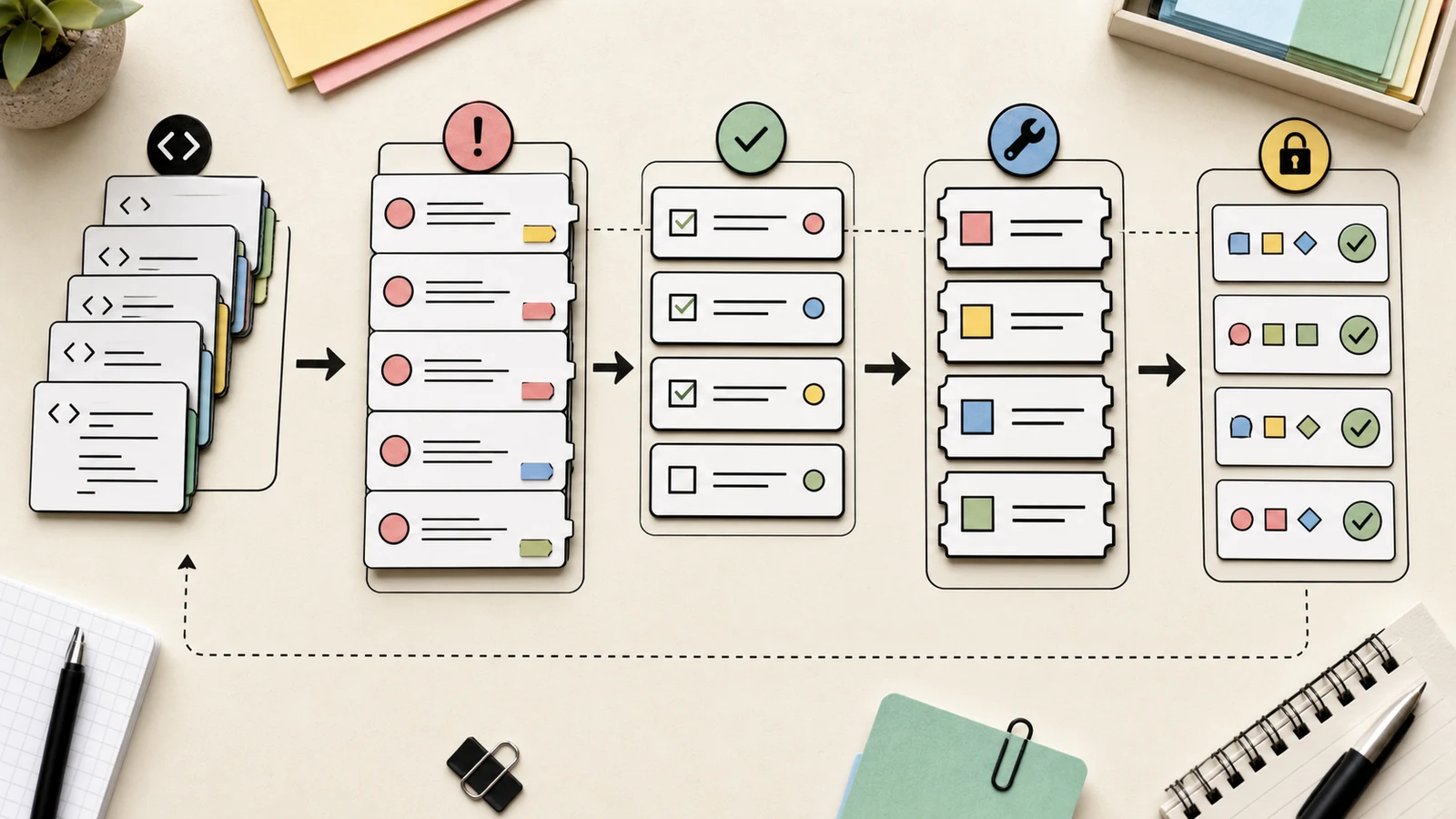
Security firm Blue41 disclosed how it helped Bunq, Europe's second-largest digital bank, find and fix an indirect prompt injection: an attacker sends a two-cent SEPA transfer with instructions hidden in the memo field, the victim asks the assistant any routine question that loads recent transactions, and the injected text enters the model's context. In the demo, the assistant generated a convincing phishing prompt inside the bank's own UI.
The HN discussion (145 points) zeroed in on why this generalizes: any string your agent reads - email subjects, ticket titles, webhook payloads - is potentially executable. As one commenter put it, "we're not even at the ASLR level of protection for LLMs yet." Our defense-layers breakdown covers what each mitigation stops and what it does not.
PLATFORMS
Codex Lands on AWS as OpenAI Cites 5M Weekly Users
OpenAI announced general availability of its frontier models and Codex on Amazon Bedrock - including GovCloud regions, a notable contrast with Fable 5's data-sharing blocker. The same post cites 5 million weekly Codex users, up from 3 million in mid-April.
That caps a busy quarter for Codex: GPT-5.5 became the default, Goal mode went stable, a Chrome extension and Windows computer-use shipped, and pricing quietly moved to token-based credits (the most-commented issue on the repo is now credit burn rate). Our June changelog breakdown has the full dated list, and the June rematch vs Claude Code weighs the two stacks as they stand today.
RESEARCH
Google's DiffusionGemma Generates Text in Parallel Blocks
Google released DiffusionGemma (237 points on HN), a 26B mixture-of-experts open model that denoises entire 256-token blocks at once instead of generating token by token: 1,000+ tokens per second on an H100, Apache 2.0 weights on Hugging Face, and an honest admission that quality trails standard Gemma 4. Simon Willison's notes include a working demo. The latency profile matters most for local and interactive use - our explainer covers where the speed is real and where the tradeoffs bite.
WHAT ELSE IS HAPPENING
- PgDog raised $5.5M for its Rust Postgres sharding proxy (324 points) - transaction pooling that handles SET statements, replica routing, and proxy-layer sharding. Our decision guide on when you actually need it.
- Claude Desktop's hidden 1.8 GB VM (267 points): the Windows client spins up a Hyper-V VM on every launch, even for chat. A community workaround (
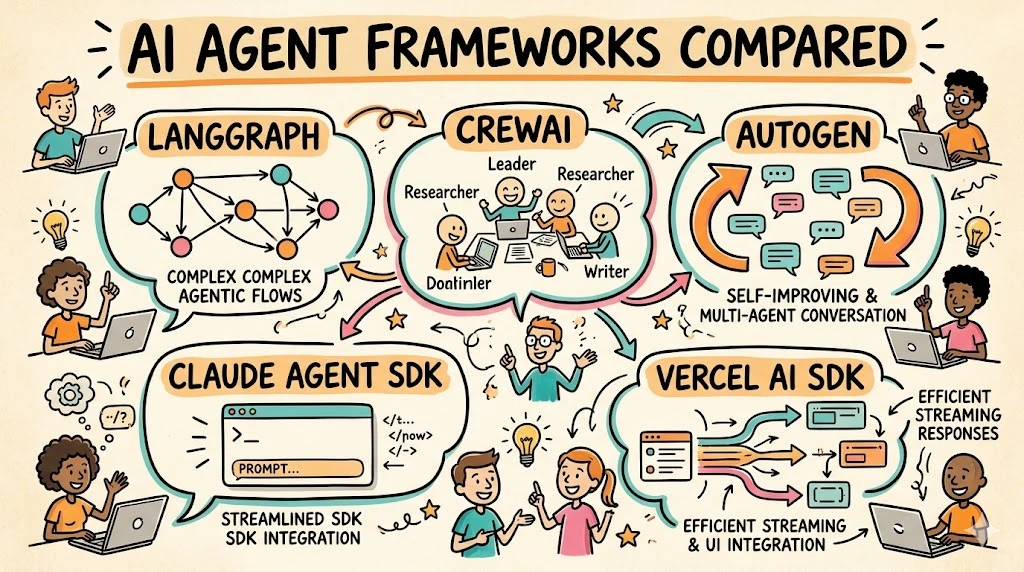
secureVmFeaturesEnabled: false) surfaced by evening - details and caveats here. - Apache Burr (142 points) entered the conversation as a state-machine alternative to LangGraph and CrewAI - our three-way comparison.
- "Notes on DeepSeek" (95 points): a first-hand visit to the 300-person Hangzhou lab whose open weights keep disciplining API prices everywhere - our economics take.
- Anthropic's model naming, extrapolated (204 points): the satirical table that asks where the ladder goes after Mythos - we decoded the real naming shift.
FROM THE SITE
What We Published Today
A big day here too: the June 2026 pricing reality check with live-verified numbers from every major tool, Factory AI and the model routing era, the TypeScript agent stack compared, and the full June 10 roundup hub if you want every thread pulled together in one place.
Every link above goes to a primary source or our sourced coverage. Tomorrow's brief lands when the news does - subscribe to get it by email.
Get the next one in your inbox
The daily brief, delivered. Free, unsubscribe anytime.