Disable Model Invocation - Claude Code
Hide skills from Claude's auto-selection until manually triggered.
Disabling model invocation keeps a skill loaded but invisible to Claude's auto-selector. It only runs when a human types /skillname.
What it does
Set the invocation control in the skill's frontmatter and Claude won't see the skill during its intent matching pass. The skill is still registered and can be called explicitly. This is useful for skills that have side effects you don't want auto-triggered, or for internal tooling you only want invoked deliberately.
When to use it
- Destructive or expensive skills you want called consciously.
- Skills whose descriptions would match too aggressively.
- Internal or experimental skills not ready for auto-use.
- Skills that should always run through a specific human-driven workflow.
Gotchas
- Users still have to know the command exists. Document it somewhere findable.
- Disabling invocation doesn't disable the skill entirely - it's still loaded in context.
- If you want a skill fully inert, remove it from the skills directory or gate with a feature flag.
Official docs: https://code.claude.com/docs/en/skills.md#control-who-invokes-a-skill
Technical content at the intersection of AI and development. Building with AI agents, Claude Code, and modern dev tools - then showing you exactly how it works.
Get the weekly deep dive
Tutorials on Claude Code, AI agents, and dev tools - delivered free every week.
Was this helpful?
Related Guides
Related Tools
Claude Opus 4.7
Anthropic's flagship reasoning model. Best-in-class for coding, long-context analysis, and agentic workflows. 1M token c...
View ToolZed
High-performance code editor built in Rust with native AI integration. Sub-millisecond input latency. Built-in assistant...
View ToolOpenCode
Open-source AI coding agent for terminal, desktop, and IDE. Works with 75+ LLM providers including Claude, GPT, Gemini,...
View ToolClaude Code
Anthropic's agentic coding CLI. Runs in your terminal, edits files autonomously, spawns sub-agents, and maintains memory...
View ToolRelated Videos

Open Design: Turn Websites into Design Assets for Cursor & Claude Code
Open Design: Open-Source n8n App That Turns Any Website into a Brand Kit, Design System, HTML + Images The video introduces Open Design, an MIT-licensed full-stack template that combines AI and n8n a...

Nimbalyst: The Open-Source Visual Workspace for Building with Codex and Claude Code
Nimbalyst Demo: A Visual Workspace for Codex + Claude Code with Kanban, Plans, and AI Commits Try it: https://nimbalyst.com/ Star Repo Here: https://github.com/Nimbalyst/nimbalyst This video demos N...

Composio: Connect OpenClaw & Claude Code to 1,000+ Apps via CLI
Composio: Connect AI Agents to 1,000+ Apps via CLI (Gmail, Google Docs/Sheets, Hacker News Workflows) Check out Composio here: http://dashboard.composio.dev/?utm_source=Youtube&utm_channel=0426&utm_...
Related Posts
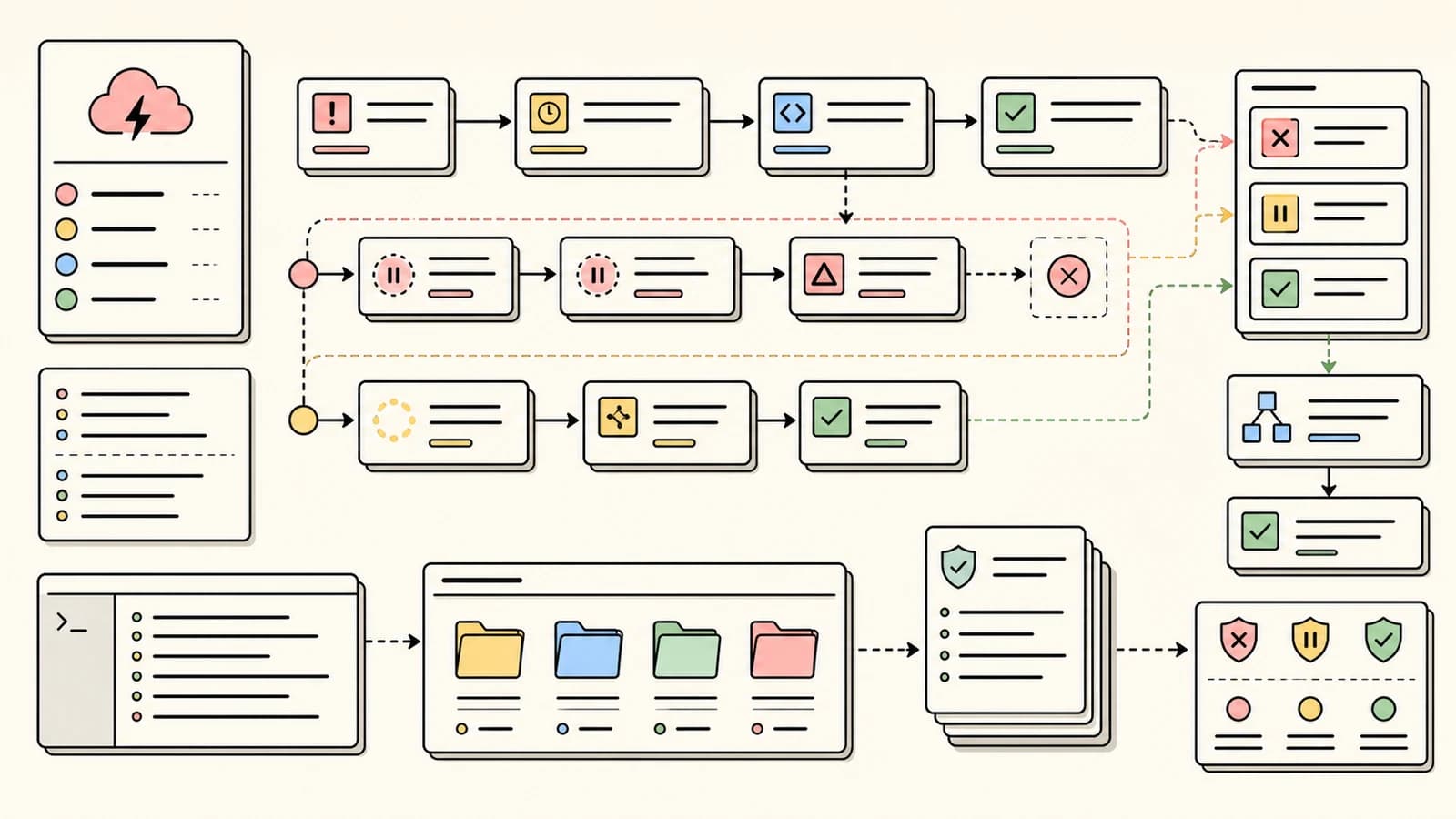
Claude Outages Are a Workflow Design Problem
Claude outages and 529 overloads expose whether your AI coding workflow has checkpoints, receipts, model-switch paths, a...

Claude Opus 4.8 Is an Agent Honesty Release
Claude Opus 4.8 looks like a benchmark bump, but the developer story is better honesty, dynamic workflows, and effort co...

Anthropic Sonnet 4.5 in Claude Code
Anthropic's Claude Sonnet 4.5 isn't just another model increment. The company claims they've observed it maintaining foc...
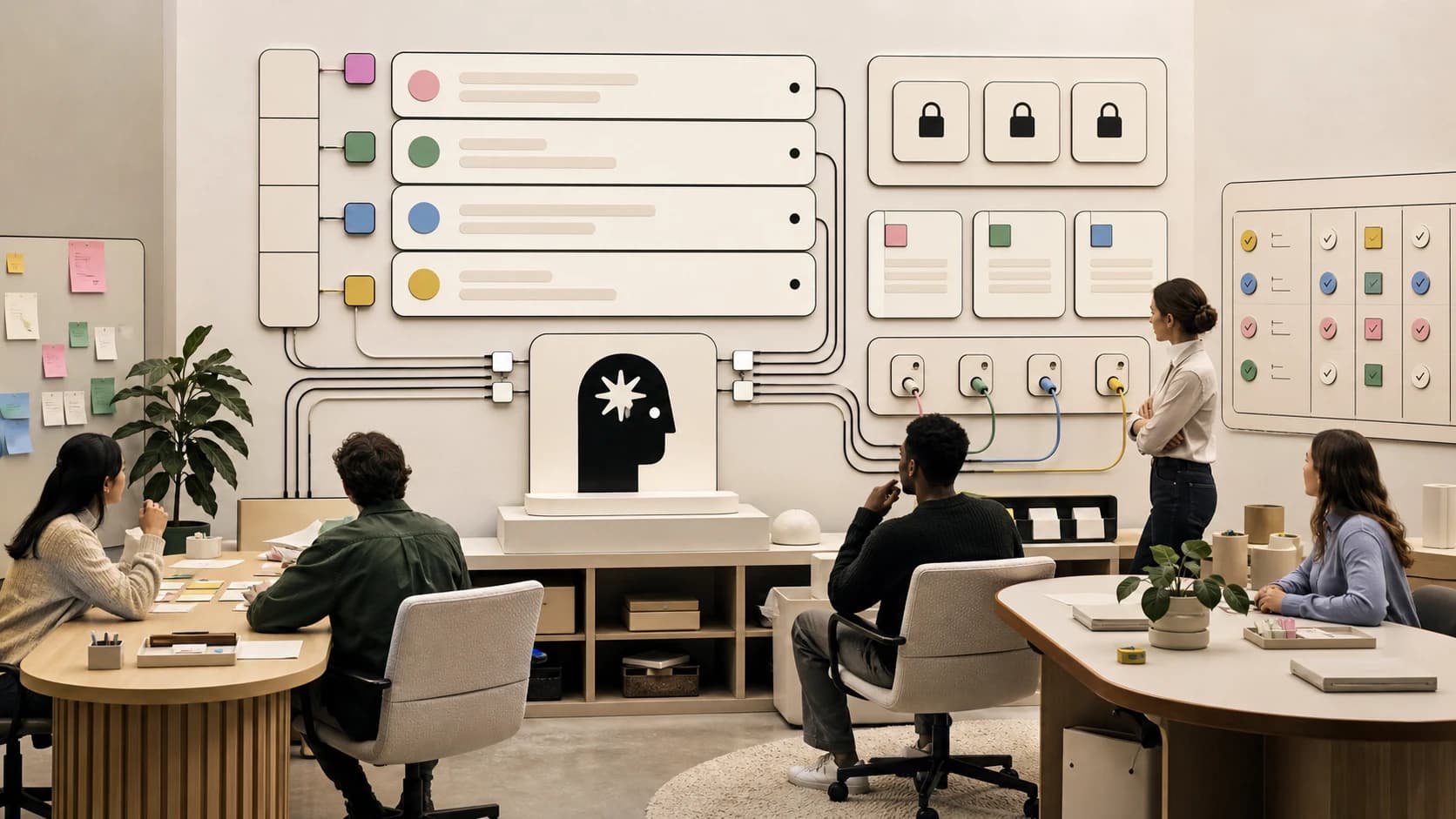
Anthropic Claude Tag Turns Slack Into a Shared Agent Workspace
Claude Tag is Anthropic's new Slack-based beta for Team and Enterprise users. The important shift is not chat convenienc...
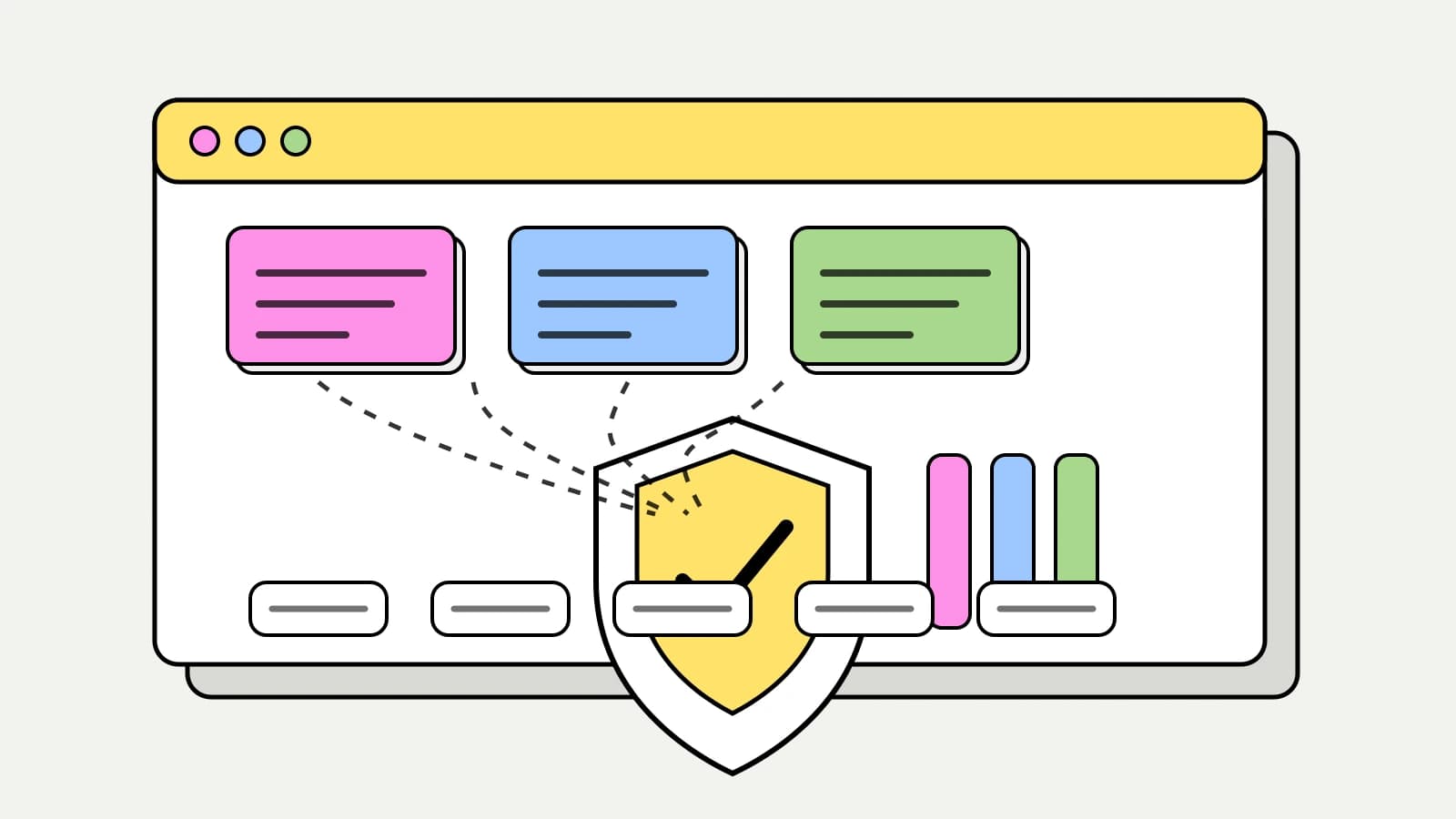
Cybersecurity Skills for AI Agents Are Becoming Runtime Infrastructure
A GitHub-trending library of Anthropic cybersecurity skills points at the next agent security layer: framework-mapped pl...
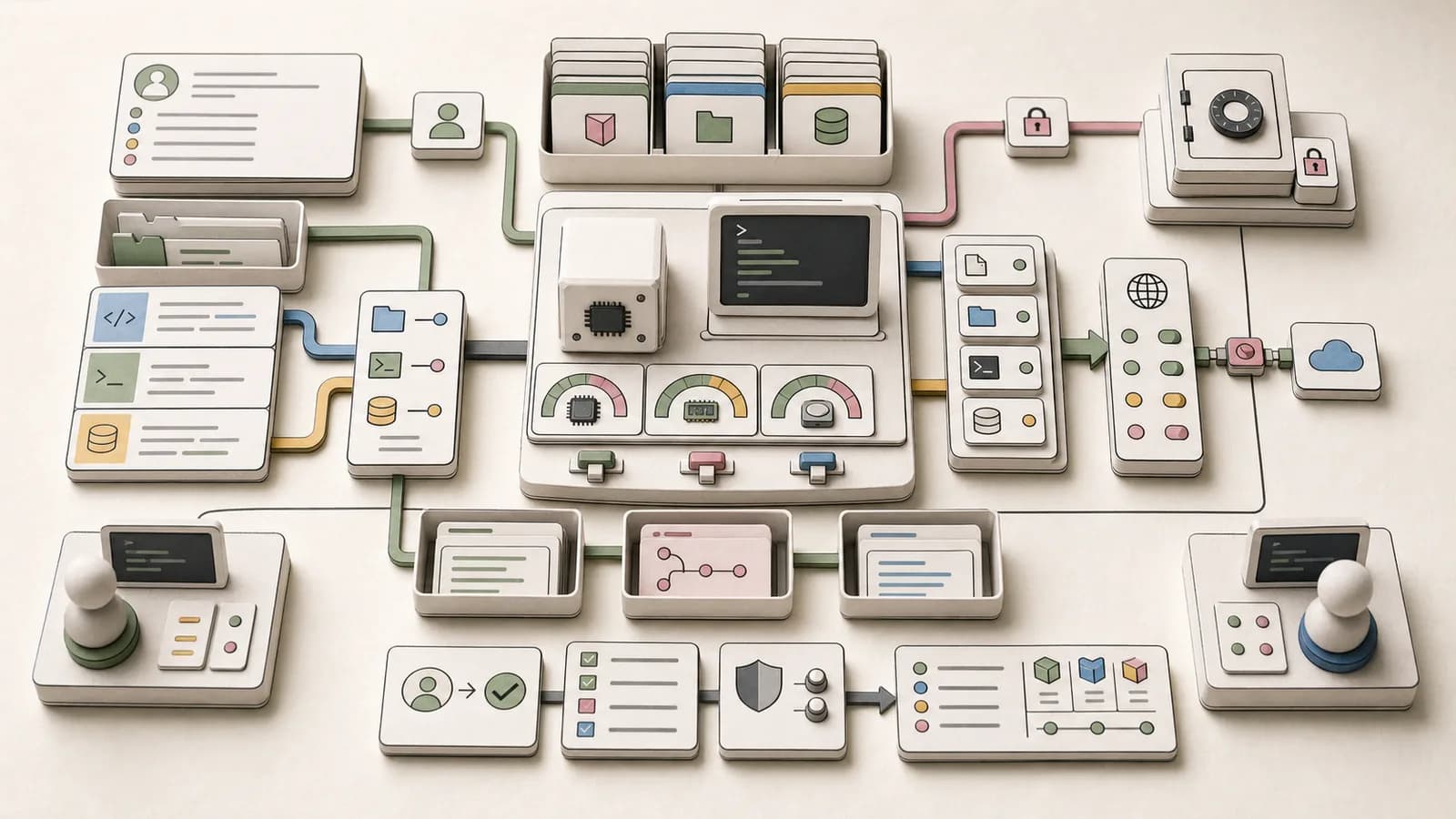
Local Coding Agent Workspaces Are the New IDE Surface
A new layer is forming around Claude Code, Codex, Copilot CLI, and local memory tools: the local coding agent workspace....
