Obscura
Headless browser built in Rust for controlled AI-agent browser tasks. Lighter and faster than Chromium-based alternatives.
Obscura is a Rust-native headless browser for controlled AI-agent browser tasks in test and sandbox environments. The pitch is not to replace Playwright for full end-to-end testing, it is to reduce the Chromium memory tax when agents need to exercise known browser flows at scale. The Rust core means significantly lower memory footprint per browser instance, which matters when you are running many concurrent QA or workflow-validation jobs. API is approachable for anyone who has used a high-level browser library before. Worth a look for teams running Playwright or Puppeteer purely for controlled agent interaction and feeling the memory tax.
Similar Tools
Browser Harness
Self-healing browser automation harness that lets LLMs complete any browser task. 5,000+ stars in under a week.
Sentry
Error monitoring and performance tracing with release tracking, session replay, and first-class Next.js support.
Playwright
Modern browser automation from Microsoft. Auto-wait, role-based selectors, cross-browser, fast in CI.
Biome
Fast Rust-based formatter and linter for JavaScript and TypeScript. One tool replaces Prettier and ESLint with sub-second runs on large repos.
Get started with Obscura
Headless browser built in Rust for controlled AI-agent browser tasks. Lighter and faster than Chromium-based alternatives.
Try ObscuraGet weekly tool reviews
Honest takes on AI dev tools, frameworks, and infrastructure - delivered to your inbox.
Subscribe FreeMore Infrastructure Tools
Vercel
Deployment platform behind Next.js. Git push to deploy. Edge functions, image optimization, analytics. Free tier is generous.
Coolify
Self-hosted PaaS for deploying apps, databases, and services. Git-based deploys, Docker support, preview environments, and a clean UI.
Convex
Reactive backend - database, server functions, real-time sync, cron jobs, file storage. All TypeScript. This site's backend (courses, videos, user data) runs on Convex.
Related Guides
Claude Code Setup Guide
Configure Claude Code for maximum productivity -- CLAUDE.md, sub-agents, MCP servers, and autonomous workflows.
AI AgentsMCP Servers Explained
What MCP servers are, how they work, and how to build your own in 5 minutes.
AI AgentsBuilding Your First MCP Server
Step-by-step guide to building an MCP server in TypeScript - from project setup to tool definitions, resource handling, testing, and deployment.
AI AgentsRelated Posts
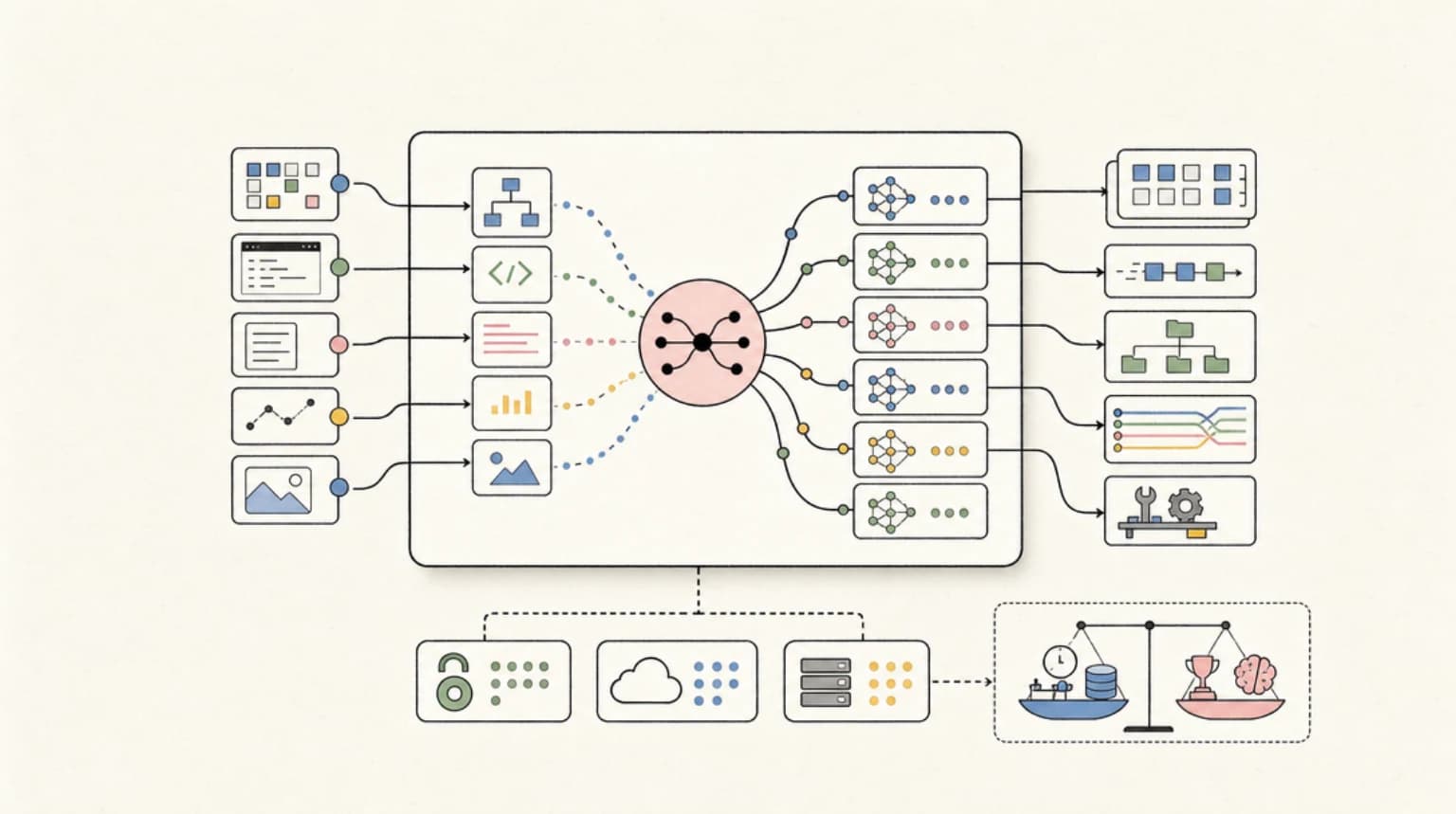
The Router Era: Why Not Owning a Frontier Model Became an Advantage
No single model wins every task anymore, and the companies that never trained one - Factory, Devin, Perplexity, Cursor,...

DuckDB Internals: What Makes It So Fast
A deep dive into DuckDB's architecture - columnar storage, vectorized execution, and zero-copy design that lets it compe...

Project Valhalla Arrives: Value Classes Ship in JDK 28 After a Decade of Work
Java's most anticipated performance feature is finally landing. Value classes eliminate object identity overhead and ena...
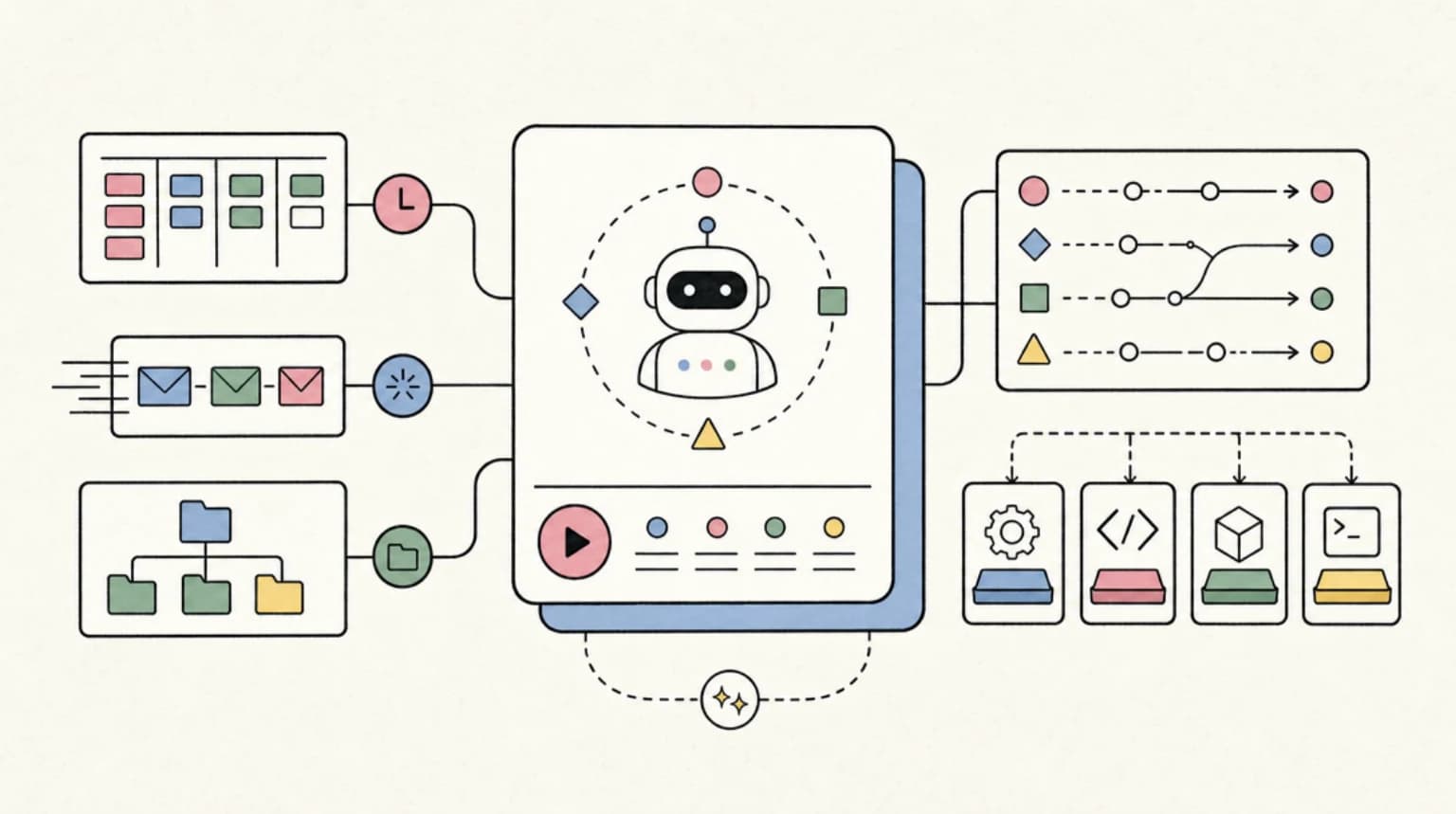
Cursor Automations Developer Guide: Always-On AI Coding Agents
Cursor Automations lets AI agents run in the background based on triggers, not prompts. Here is how to set them up, conf...
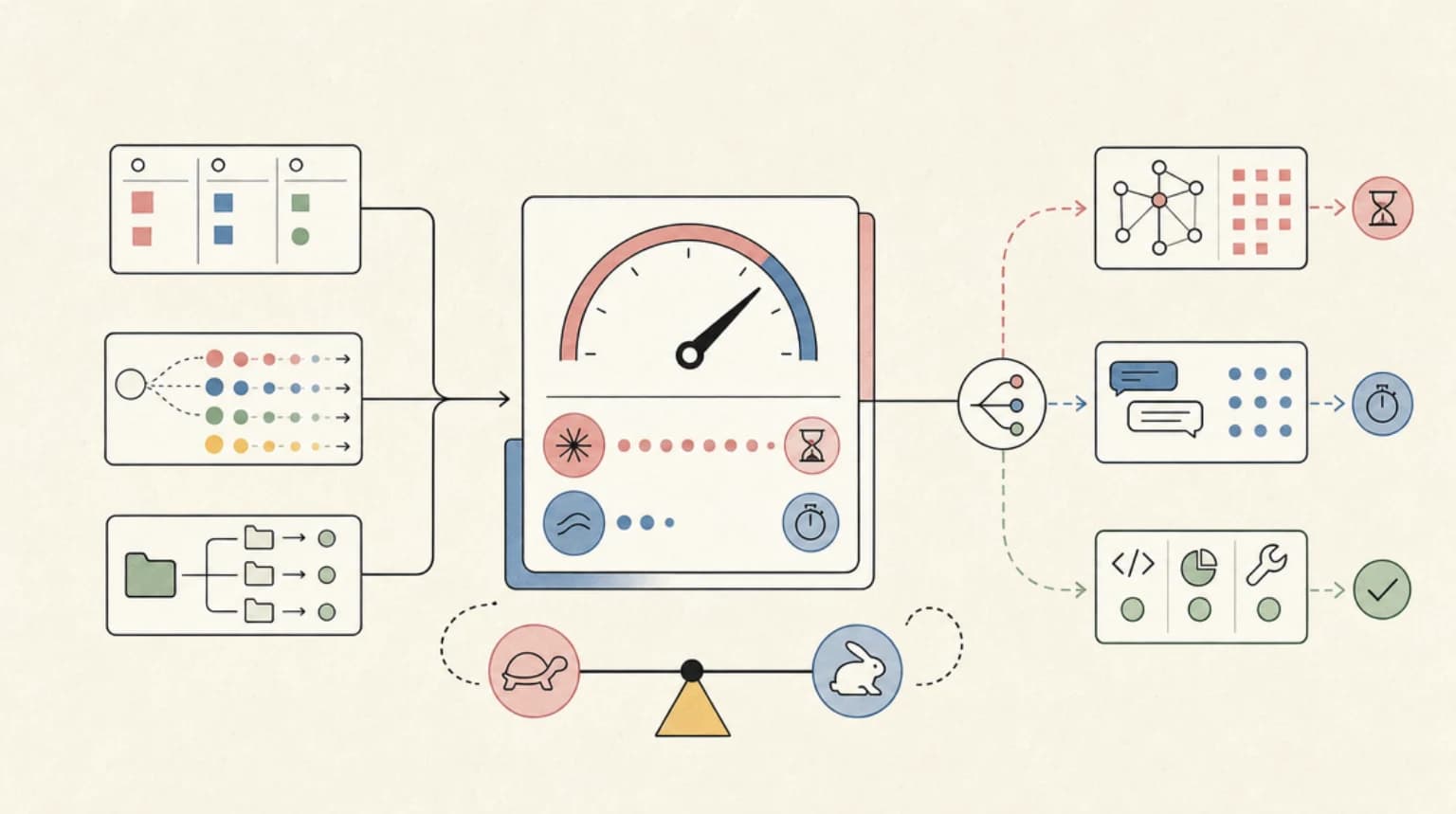
Is Claude Fable 5 Slow? Latency in Practice, and When It Matters
Claude Fable 5 latency measured: 109 seconds to first token at max effort vs 1.4s for Sonnet 4.6. When slow is fine, whe...
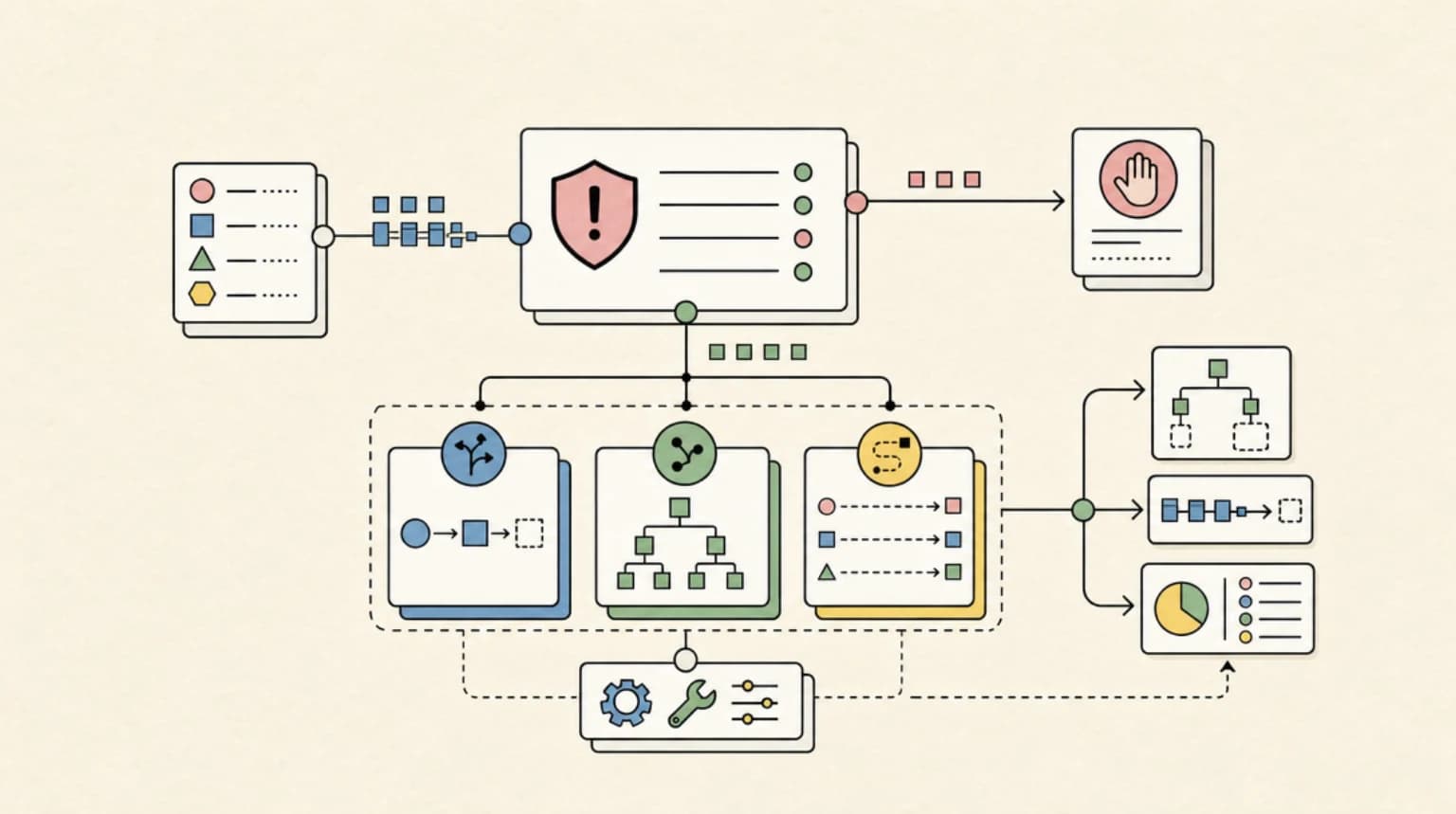
Handling Fable 5 Refusals: A Working Guide to the Fallback API
Fable 5 ships with safety classifiers that route flagged requests away from the model. In production you need to handle...
