Sentry
Error monitoring and performance tracing with release tracking, session replay, and first-class Next.js support.
Sentry is the default error-tracking tool for modern web apps and has earned that position by being genuinely good at what it does. The Next.js SDK captures client-side and server-side errors with a single install, groups errors intelligently by stack trace and release, and integrates release tracking via git SHA. Session Replay lets you watch exactly what the user did before the error. The most valuable feature for small teams is that the free tier is generous enough to cover real traffic while you figure out if you need a paid plan. Pair it with a single alert routed to Slack or PagerDuty and you have the error half of your observability stack on day one.
Similar Tools
Inngest
Durable workflows and background jobs for serverless. Step-level retries, scheduling, and event-driven functions.
Obscura
Headless browser built in Rust for controlled AI-agent browser tasks. Lighter and faster than Chromium-based alternatives.
Langfuse
Open-source LLM engineering platform: tracing, evals, prompt management, and datasets. Self-hostable, OpenTelemetry-native, with 50+ framework integrations.
Vercel
Deployment platform behind Next.js. Git push to deploy. Edge functions, image optimization, analytics. Free tier is generous.
Get started with Sentry
Error monitoring and performance tracing with release tracking, session replay, and first-class Next.js support.
Try SentryGet weekly tool reviews
Honest takes on AI dev tools, frameworks, and infrastructure - delivered to your inbox.
Subscribe FreeMore Infrastructure Tools
Vercel
Deployment platform behind Next.js. Git push to deploy. Edge functions, image optimization, analytics. Free tier is generous.
Coolify
Self-hosted PaaS for deploying apps, databases, and services. Git-based deploys, Docker support, preview environments, and a clean UI.
Convex
Reactive backend - database, server functions, real-time sync, cron jobs, file storage. All TypeScript. This site's backend (courses, videos, user data) runs on Convex.
Related Guides
Related Posts

Codex CLI Needs Resource Budgets, Not Just Token Budgets
A trending Codex SQLite WAL bug is a useful warning for every local coding agent: logs, disks, background processes, and...

DuckDB Internals: What Makes It So Fast
A deep dive into DuckDB's architecture - columnar storage, vectorized execution, and zero-copy design that lets it compe...

Project Valhalla Arrives: Value Classes Ship in JDK 28 After a Decade of Work
Java's most anticipated performance feature is finally landing. Value classes eliminate object identity overhead and ena...
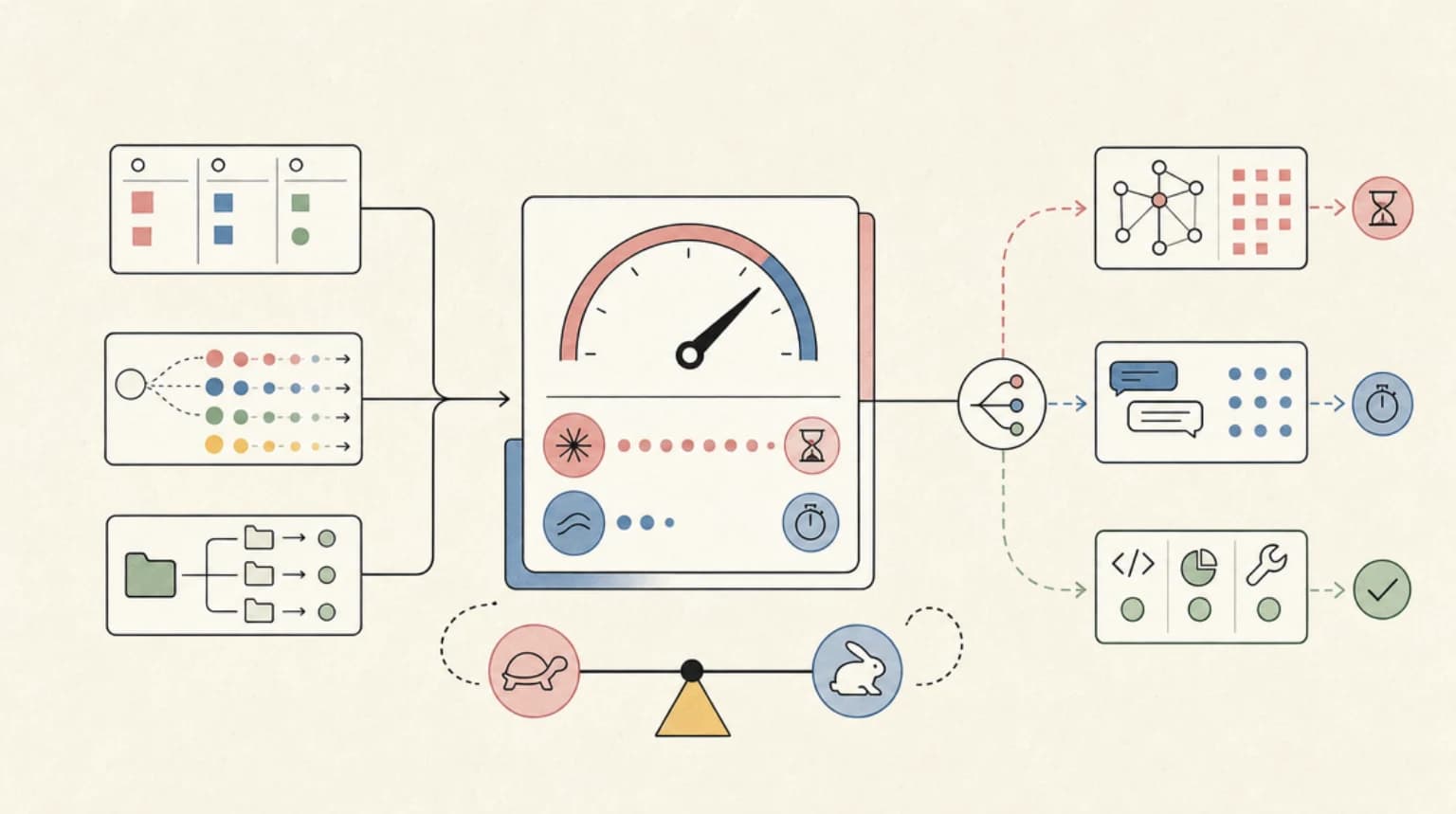
Is Claude Fable 5 Slow? Latency in Practice, and When It Matters
Claude Fable 5 latency measured: 109 seconds to first token at max effort vs 1.4s for Sonnet 4.6. When slow is fine, whe...

Claude Code Token Burn Is an Observability Problem
The latest Claude Code cache-burn debate is not just a quota complaint. It is a reminder that coding agents need cache-h...

Astro vs Next.js 16: Which to Choose in 2026
Astro 5 ships 0-15KB of JavaScript per page. Next.js 16 ships 85-250KB. Here is the honest 2026 breakdown of when each f...
